Vinyl stickers vs paper labels for small business packaging is one of those questions that sounds boring until you waste money on the wrong one. Then it gets interesting. Fast. If you run a small brand, the right answer usually is not “always choose premium.” It is “match the material to the job.”
A lot of packaging decisions get made from a desk, not from real use. On screen, both options can look great. But once the package sits in sunlight, rides in a shipping box, gets handled with oily hands, or lands in a fridge, the difference becomes obvious. That is why vinyl stickers vs paper labels for small business packaging is less about appearance alone and more about how the packaging has to perform.
What Paper Labels Do Well
Paper labels still make a lot of sense for small businesses. They are usually less expensive, easy to print, and often perfect for dry indoor products. If you sell candles, boxes, folded goods, mailer packaging, or shelf-stable items that stay clean and dry, paper can look sharp and do the job just fine.
And honestly, paper often gives a nice feel. It can look softer, more natural, and less “plastic.” That matters for handmade brands, boutique goods, or products where warmth matters more than rugged durability.
Paper labels are also a good choice when you are testing. If you are still changing formulas, packaging sizes, or branding details, paper can help you move faster without locking yourself into a more expensive production choice too early.
The catch is durability. Paper does not love water, oil, friction, or heavy handling. So if the package is going to live a rough life, paper starts falling apart fast.
Where Vinyl and Film-Based Options Win
If your packaging gets wet, squeezed, chilled, or handled constantly, vinyl and film labels are usually the safer choice. This is where the vinyl side of vinyl stickers vs paper labels for small business packaging starts to win by a lot.
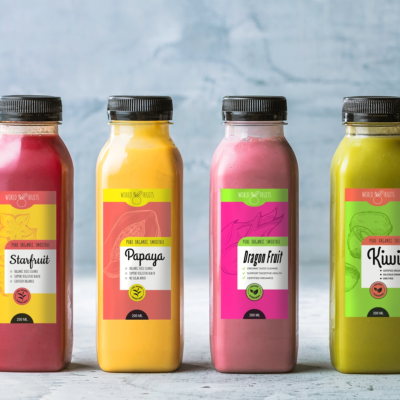
Film and vinyl materials hold up better against moisture, oils, and sunlight. They are also more resistant to tearing and scuffing. That makes them useful for bottle labels, bath and body packaging, drinkware, refrigerated items, outdoor products, and anything that goes from shelf to bag to sink area without much mercy.
Flexible film labels also tend to wrap curved containers better. A jar, squeeze bottle, or round cosmetic tube is not very forgiving. Stiffer materials can wrinkle or lift, especially near the edges. Flexible materials behave better there, which saves a lot of frustration.
Vinyl stickers are also strong when the goal is branding outside the core package. Think promo stickers inside orders, branded extras for events, or merch-style graphics customers actually want to keep.
Cost Matters, But So Does Waste
Small businesses usually do not choose paper because they love paper. They choose it because budget is real. I get it.
But the cheapest label is not always the cheapest result. If you use paper on a product that sweats, rubs, or leaks a little oil, you may end up reprinting, relabeling, or dealing with packaging that looks bad by the time it reaches the customer. That costs money too.
This is why I like to separate packaging into “safe to stay simple” and “needs protection.”
Paper is usually fine for dry boxes, thank-you labels, short-term promo seals, and packaging inserts.
Vinyl or film is usually worth it for jars, bottles, shower products, fridge items, coolers, skincare, drink containers, or anything touched a lot.
In my opinion, most brands do better when they save premium materials for the parts customers handle the most. You do not always need the expensive option everywhere. You just need it in the right places.
Appearance and Brand Fit
This is the part people skip too quickly. Material choice changes the feel of the brand.
Paper labels often feel softer, more handmade, more earthy, or more minimal. That can be a real advantage if your brand lives in that space.
Vinyl and film can feel cleaner, sharper, and more polished. They often give better resistance and a more modern packaging look, especially when paired with clear or high-gloss finishes.
Neither is automatically better. It depends on what you are selling and how you want it to feel in someone’s hand.
A candle label and a sports bottle label do not need the same vibe. A jar of jam and a laptop decal do not need the same material. That sounds obvious, but a lot of brands still try to force one stock to do everything.
A Simple Way to Decide
If you are stuck on vinyl stickers vs paper labels for small business packaging, ask four plain questions.
Will it get wet?
Will it be handled a lot?
Is the surface curved or squeezable?
Does the package need to look good for a long time?
If the answer is mostly no, paper may be enough.
If the answer is mostly yes, step into vinyl or film.
That is really the decision. Not what sounds premium. Not what looks trendy. Just what the package needs to survive.
Conclusion
Vinyl stickers vs paper labels for small business packaging is really a durability versus simplicity choice. Paper labels are great when the package stays dry, clean, and low-stress. Vinyl and film are better when moisture, friction, oils, or curved containers enter the picture. If you match the material to the actual use case, your packaging works better and your budget goes further.
And that is the whole game. Not perfect packaging. Just smart packaging.