
Spot Varnish Labels: Using Selective Gloss Without Overcomplicating Artwork
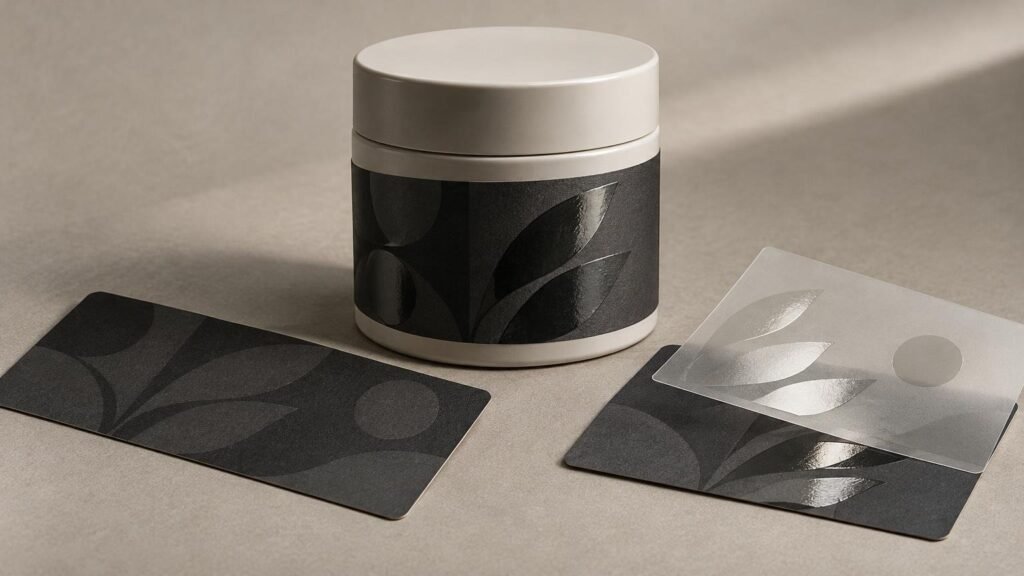
Spot varnish can add controlled gloss and contrast to product labels, but the finish works best when the material, environment, application method, and artwork are specified together.
BOPP vs Paper Labels: Moisture, Look, Cost, and Best Uses
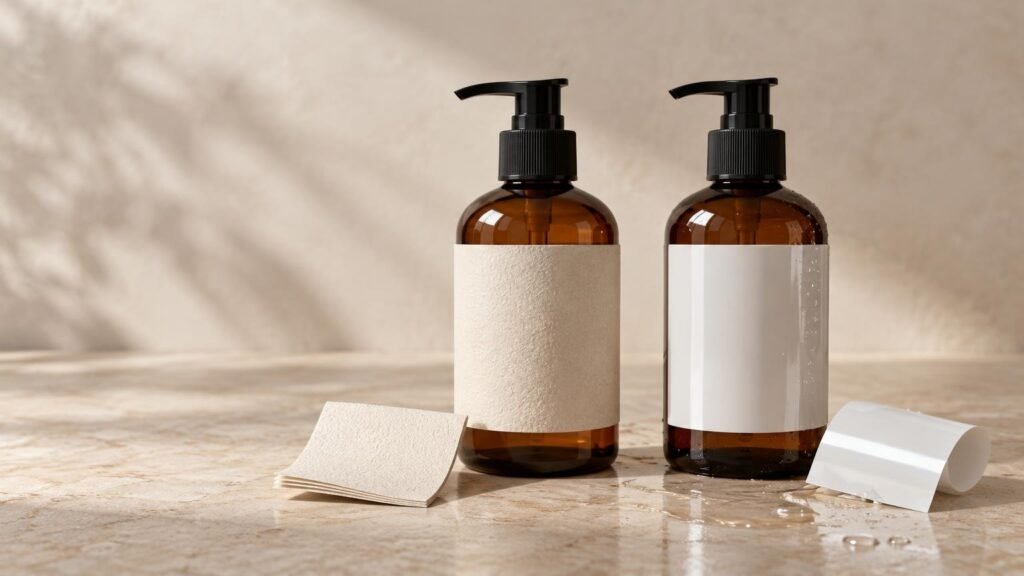
BOPP generally suits wet, oily, or abrasion-prone packaging, while paper offers broad visual and tactile choices. The full label construction still matters more than the material name alone.
How to Label Water Bottles: Condensation, Curves, Application, and Storage
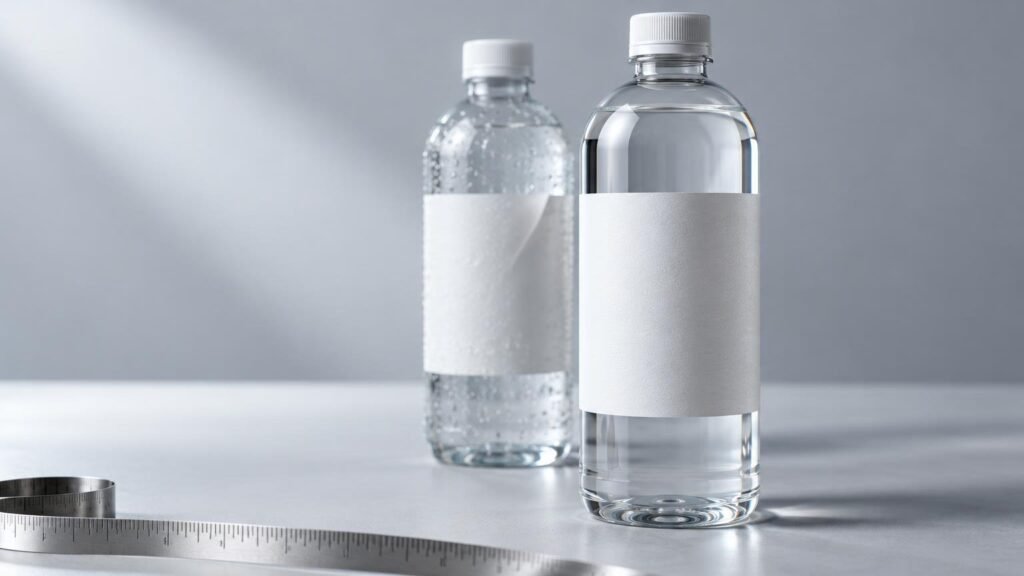
A practical guide to measuring water bottles, choosing a label construction, preventing wrinkles and lifting, applying labels cleanly, and testing refrigerated packages.
Label Application Temperature vs Service Temperature: Why They Are Different
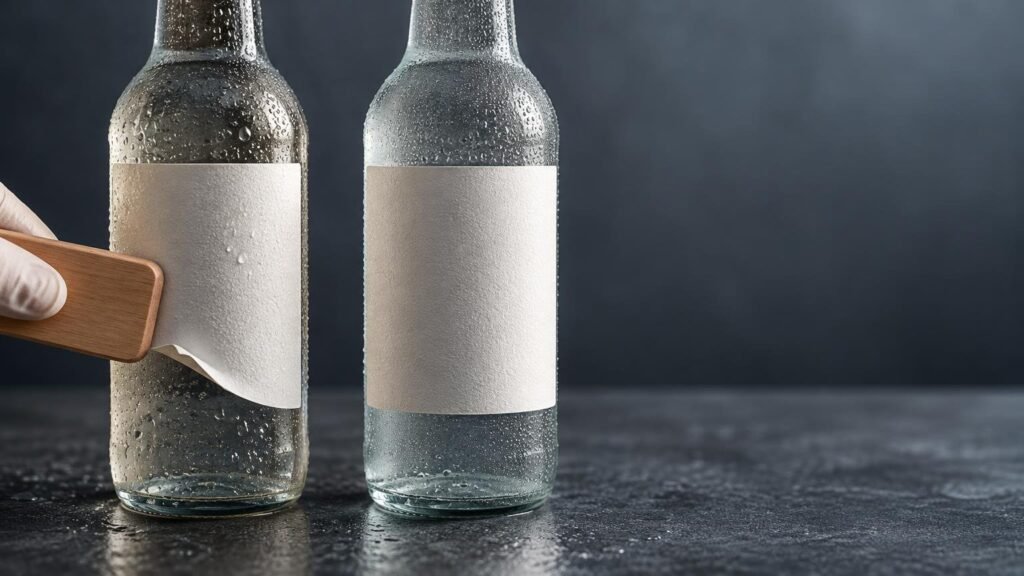
A label may survive freezer storage yet fail when applied to a cold container. Learn how application temperature, service temperature, surfaces, moisture, and dwell time affect pressure-sensitive labels.
Pet-Product Labels: Treat Bags, Bottles, and Claim Boundaries
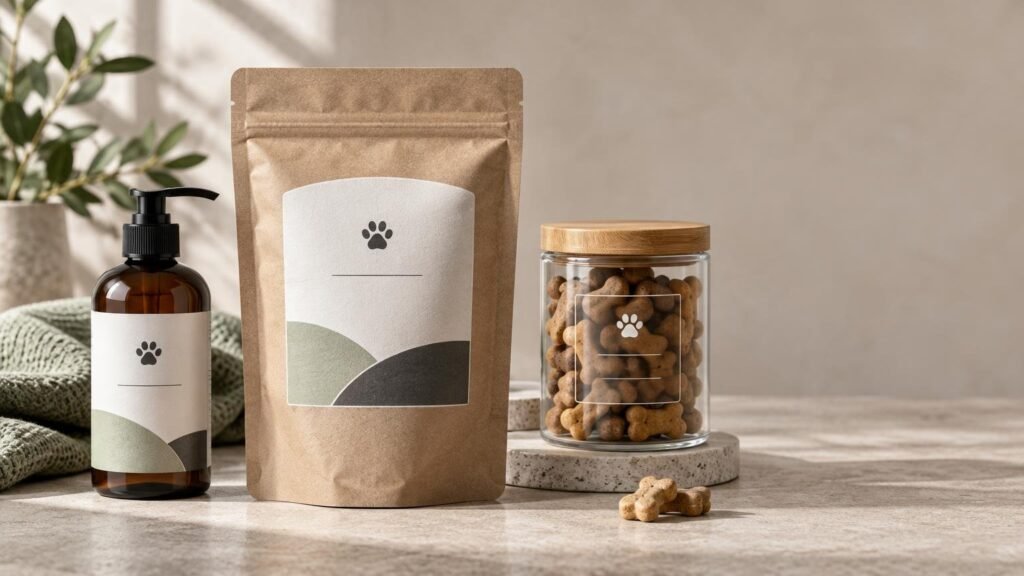
A practical guide to choosing pet-product label materials, formats, dimensions, and artwork while keeping printing decisions separate from regulatory compliance.
Printer Settings for Label Proofs: Scale, Media Type, and Color Expectations
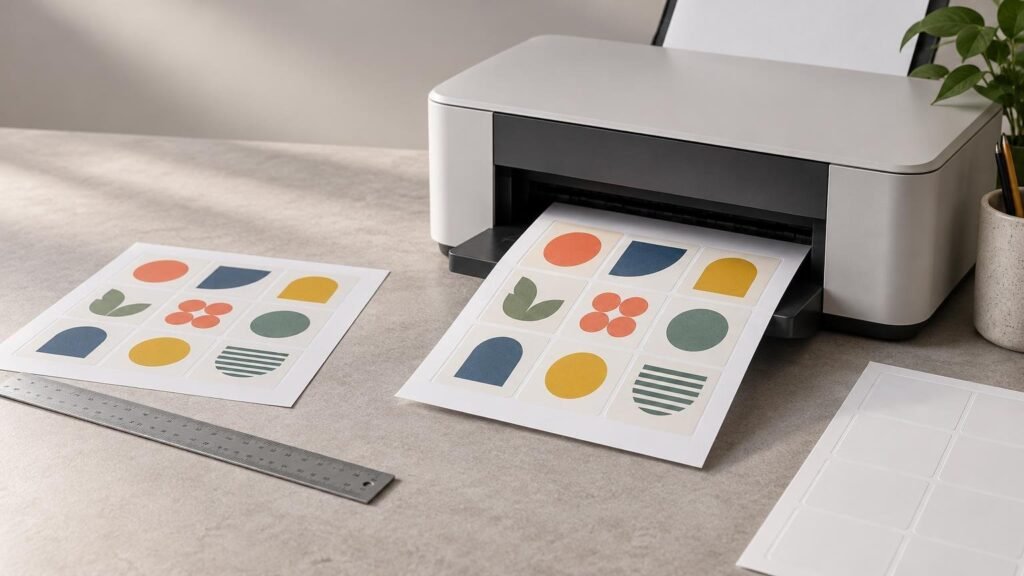
A practical guide to printing blank sheet labels at the correct scale, choosing media and tray settings, checking color, and fixing alignment or feed problems.
Candle Label Design Checklist: Size, Heat, Ingredients, Warnings, and Readability
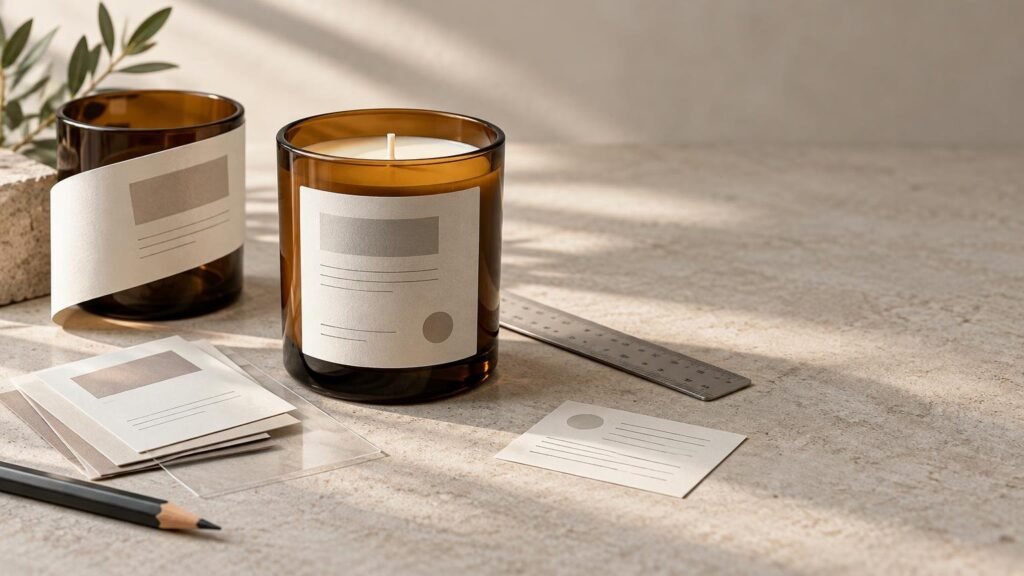
Plan candle labels around the actual vessel, readable information, application conditions, and a separate regulatory review. This checklist covers measurement, layout, artwork, materials, testing, and common U.S. safety considerations.
Clear vs White BOPP Labels: Which Background Works Better?
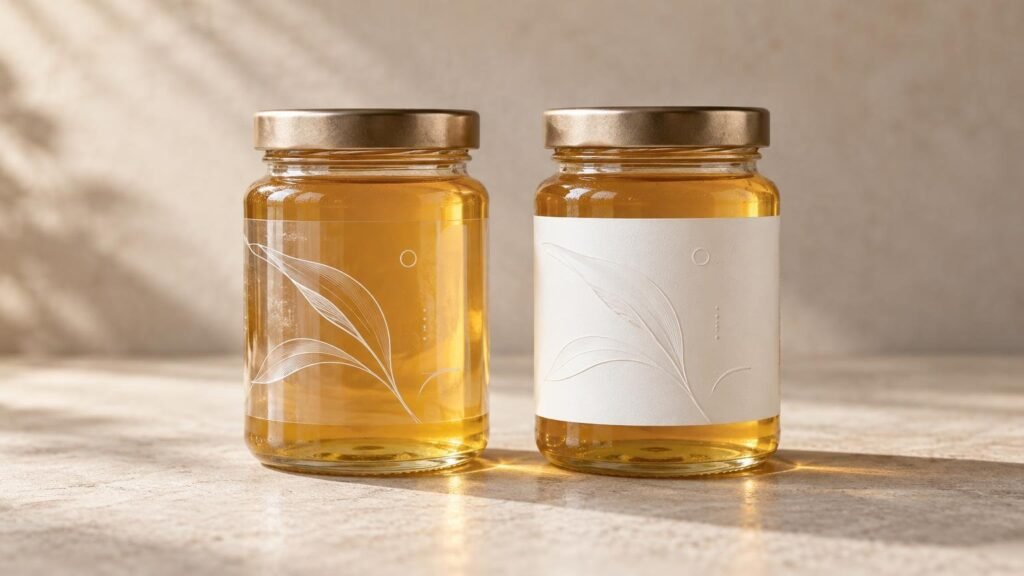
Clear BOPP lets the container and product participate in the design, while white BOPP provides a controlled, opaque background. Learn how to choose based on artwork, package conditions, application, and testing.
Wine Label Size: Front, Back, and Wraparound Layout Considerations
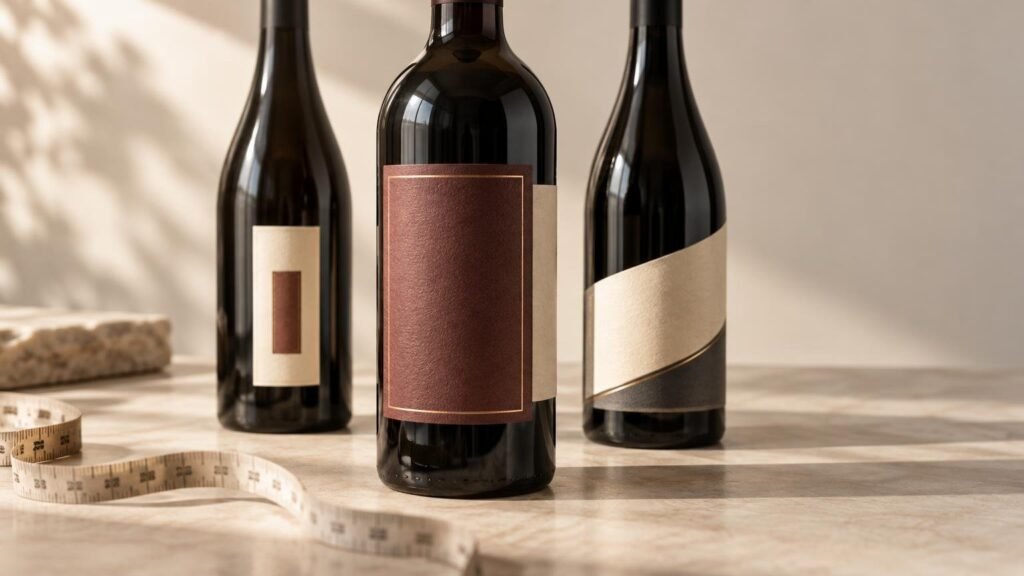
Learn how to measure a wine bottle, choose between front, back and wraparound labels, plan readable artwork, and test the finished label construction.
Food Labels: Material and Print Decisions Separate From FDA Requirements
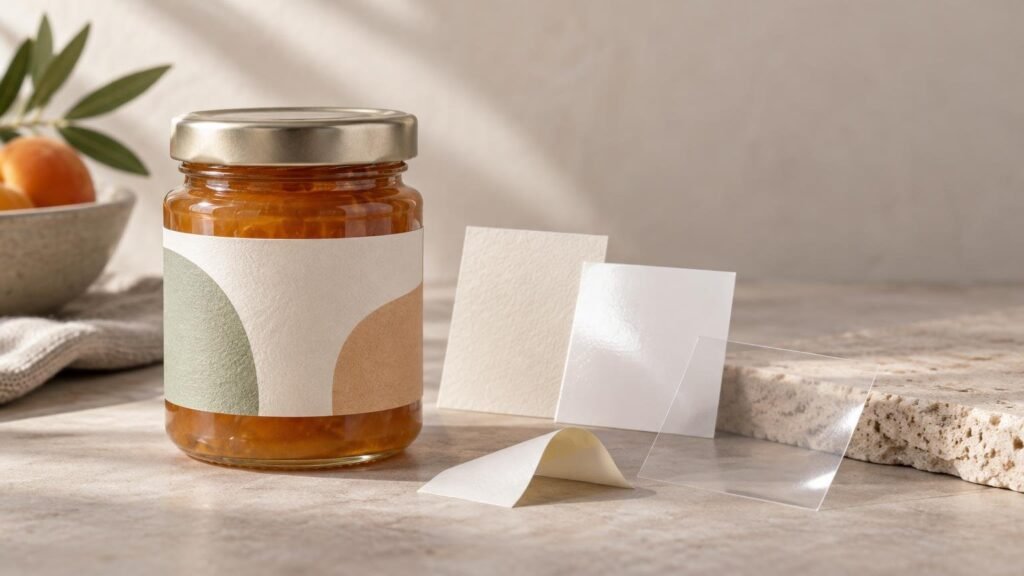
Learn how to specify food labels that fit the package, withstand expected conditions and apply efficiently—without confusing print production with regulatory compliance.