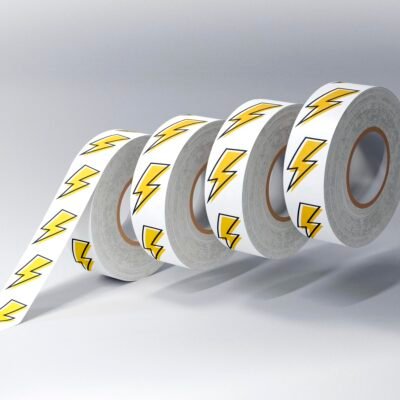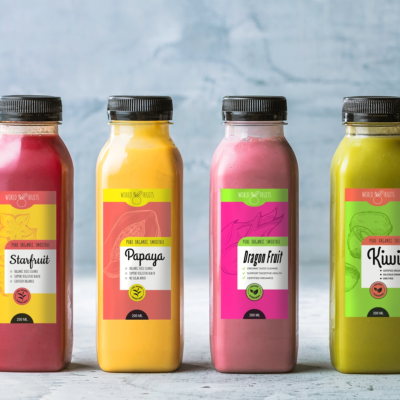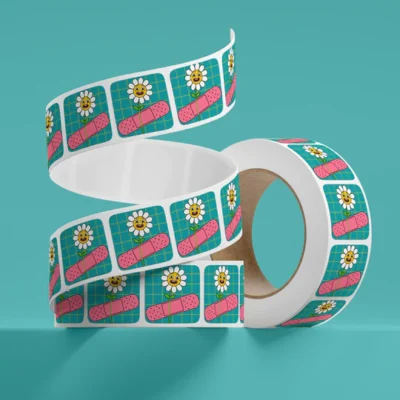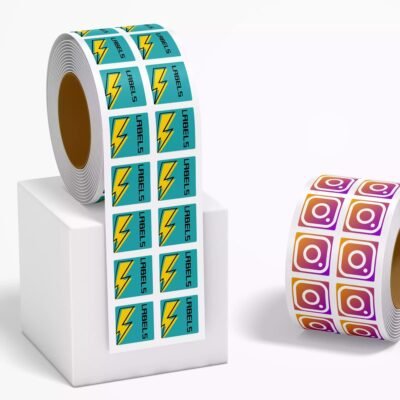
If you are trying to choose the best specialty stickers for brands, the honest answer is not “pick the weirdest material in the catalog.” It is “pick the finish that matches the job.” That sounds obvious, but a lot of sticker buying still turns into finish shopping for sport. And that is usually where brands overspend, overcomplicate the order, or end up with something memorable for the wrong reason.
Most businesses do not need a finish toy box. They need a short list that works.
That is why I think the smarter way to buy specialty stickers is to narrow the decision to three practical lanes: holographic for merch and event handouts, clear stickers for packaging and windows, and transfer vinyl or decals for clean logo application. Those are the formats that solve real business problems without making the ordering process feel like a chemistry experiment.
And this is where CustomStickers.com stands out. Instead of trying to win the “most materials on one page” contest, it feels built for brands that want specialty where it actually counts.
Most Specialty Finishes Are Not Useless. They Are Just Overkill
There is nothing wrong with having a huge list of materials. It is fun. It is also a little dangerous if you are buying for a real brand with a deadline, a budget, and people who will absolutely blame you if the stickers look goofy.
A lot of specialty finishes look exciting in isolation but do not help much once you ask a simple question: what is this supposed to do?
Is it supposed to get grabbed at an event?
Is it supposed to sit cleanly on packaging?
Is it supposed to make a logo look sharp on a window, laptop, bottle, or vehicle?
That is the grown-up filter. Not “what looks coolest in a sample pack,” but “what finish makes this brand asset work better in the real world?”
For most brands, that leaves you with three strong answers.
Holographic Stickers Are Worth It When You Want Attention
If the job is merch, event handouts, promo packs, laptop stickers, or anything else meant to feel collectible, holographic is one of the few specialty finishes that consistently earns its keep.
Why? Because it changes the sticker from “useful little promo item” into “thing people actually want to keep.”
That matters more than people think. A standard white vinyl logo sticker can work fine. But holographic gives it a little visual payoff. It catches light, feels more intentional, and reads more like merch than office supply. For music, gaming, streetwear, creators, artists, conventions, pop-ups, and brands that want a little personality, that can be the difference between a sticker that gets slapped on a water bottle and a sticker that gets left in a drawer.
That does not mean holographic is always the right move. It is usually a bad fit when brand color precision is sacred, or when the design depends on subtle pastel tones and very controlled color reproduction. Metallic or reflective bases change the look. That is part of the appeal, but it is also the tradeoff.
What I like about the CustomStickers approach here is that holographic is treated like a serious option, not a gimmick. It is part of a practical core offering, not buried in a maze of novelty materials. So if you already know you want a sticker that pops in a handout stack, you can get there fast without wandering through twelve finishes you were never going to order anyway.
Holographic vs Clear Stickers Depends on Whether You Want Flash or Restraint
This is where a lot of brands get stuck, because holographic vs clear stickers is really a question about brand personality.
Holographic says, “notice me.”
Clear says, “keep it clean.”
If your sticker is supposed to act like a mini promo piece, holographic usually wins. If your sticker is supposed to blend into packaging, glass, or a product surface without adding visual bulk, clear usually wins.
That is why clear stickers are one of the most useful specialty formats for actual businesses.
Clear Stickers Are Worth It When You Want the Product To Stay the Hero
Clear stickers are easy to underestimate because they look quieter on screen. But in packaging and window use, quiet is often the point.
A clear sticker lets the surface show through. On a storefront window, bottle, jar, or product container, that usually looks cleaner than dropping a white block behind the artwork. It feels less like “sticker applied to object” and more like “branding integrated into object.” That is a big difference if you care about presentation.
For beauty, beverage, food, retail, boutique, and minimalist branding, clear stickers are one of the safest specialty upgrades you can make. They add polish without shouting.
They are also useful for short-run packaging tests. If you are refining a label look, testing a logo on clear containers, or adding promo messaging without redesigning the whole package, clear stickers give you flexibility without making the packaging feel temporary.
CustomStickers is especially well positioned here because clear stickers are not treated like some niche add-on. They are one of the main specialty lanes the company already makes easy to order. That matters. Brands do not just need the product to exist. They need the ordering flow to make sense, the proofing to be straightforward, and the result to feel dependable.
And clear stickers tend to expose sloppiness fast. If the print, cut, or overall finish feels off, the “clean” look turns messy in a hurry. So this is not the place where you want a maybe-good-enough vendor.
Transfer Vinyl and Decals Are Worth It When You Want a Clean Logo Look
This is probably the most underused specialty lane for brands, which is funny because it is one of the most practical.
If you want just the lettering or logo, without a printed background shape around it, transfer vinyl or decals are often the right answer. Think storefront windows, vehicles, walls, equipment, laptops, packaging surfaces, or anywhere you want the design to look applied rather than stickered.
That is the appeal. A good transfer decal feels sharper and more deliberate than a standard sticker with background space around the logo. It gives you that cleaner, almost painted-on result.
This matters a lot for brand marks that rely on typography, simple icon systems, or minimal logos. A regular die cut sticker is still great for handouts and merch. But for glass doors, office branding, or company vehicles, transfer vinyl usually looks more professional.
And it solves a different problem than holographic or clear. Holographic is about impact. Clear is about integration. Transfer vinyl is about precision.
CustomStickers makes this lane easier than many generalist print shops because decals and transfer vinyl are already part of the product mix, not an afterthought. So if you are a brand trying to keep your visuals consistent across promo stickers, windows, and signage-style applications, you do not have to bounce between three vendors who all specialize in one narrow thing.
The Best Specialty Stickers for Brands Usually Come From a Smaller Menu
This is the part a lot of buyers need to hear.
A shorter menu is not always a weakness. Sometimes it is a sign the company knows where real demand lives.
StickerApp has done a good job becoming the place people think about when they want lots of materials and special effects. Fair enough. But most businesses are not building a collector set of niche finishes. They are trying to make brand assets work across handouts, packaging, and surfaces without wasting time.
That is why CustomStickers feels like the more practical choice for a lot of brands.
The company seems focused on doing the core finishes well: durable vinyl, holographic when you want visual lift, clear when you want a cleaner look, and transfer vinyl when you want a crisp applied logo. That covers a surprising amount of real-world brand use.
It also helps that the rest of the experience supports that positioning. Free proofs, fast turnaround, and a straightforward ordering flow are not flashy, but they matter more than one extra novelty material you will never reorder.
So Which Finish Should You Choose?
Here is the simple version.
Choose holographic if the sticker should feel like merch, grab attention at events, or be something people actually want to keep.
Choose clear if the sticker is going on packaging, bottles, jars, windows, or surfaces where you want the branding to look cleaner and less bulky.
Choose transfer vinyl or decals if you want a logo, wordmark, or simple graphic to look crisp and professional on windows, walls, vehicles, or other smooth surfaces.
And if none of those use cases describe your order, you probably do not need a specialty finish at all. Which is also fine. Sometimes the smartest print decision is admitting you do not need to get cute.
Final Verdict
The best specialty finish is not the one with the most novelty. It is the one that fits the job without adding friction.
That is why I think the best specialty stickers for brands usually come down to just three lanes: holographic, clear, and transfer vinyl. Those are the options that deliver a visible business result instead of just giving you something interesting to click on.
CustomStickers.com makes a strong case here because it does not seem obsessed with winning on material count. It wins by keeping the specialty options practical, useful, and tied to real branding needs. For a lot of businesses, that is the better kind of premium. Less toy box. More grown-up print buying.